
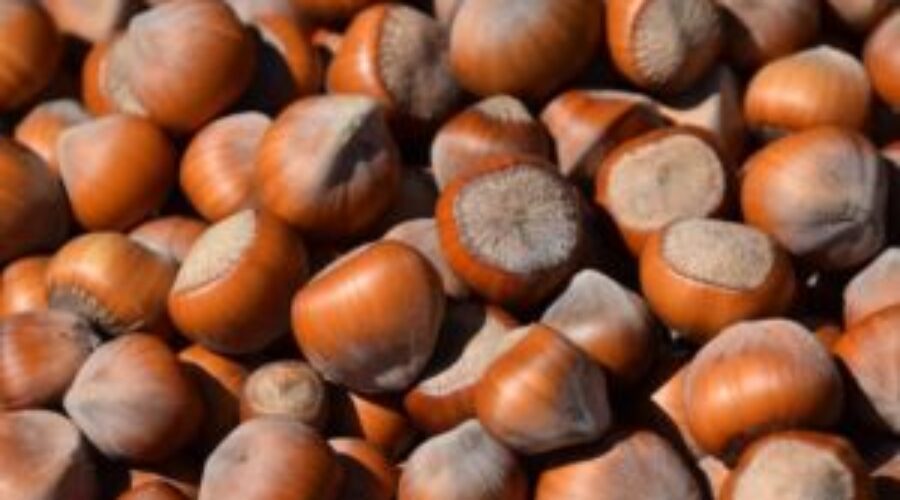
All You Wanted To Know About Hazelnuts
- By administrator
- antioxidants Articles filberts hazelnuts quercetin superfood tree nuts
- Comments are off
If you asked ten people to pick a color, any color, without thinking too long, chances are the most common answer would be “red.” But what if you asked them to pick a nut, any nut? What would they say? Probably not “hazelnuts.”
Most people would say “peanuts, almonds, pecans, and pistachios because hazelnuts don’t typically get alot of attention.
This is actually strange considering the fact that hazelnuts are actually the second largest nut crop in the world, with almonds being number one. Secondly, like a lot of other nuts, they can have significant and surprising health benefits when eaten in moderation.
When people think of hazelnuts, it is usually in combination with chocolate, or as a flavoring added to coffee. If you focus on the nuts themselves, you’ll actually see that they live up to the “superfood” status often applied to tree nuts.
The hazelnut for the most part is an underappreciated nut but it can be very beneficial for you health wise.
What Are Hazelnuts?
Hazelnuts are a type of tree nut just like almonds, Brazil nuts, cashews, pecans, pistachios, and walnuts. They were originally called filberts and cobnuts, however in 1981, The Oregon Filbert Commission decided to refer to them as hazelnuts rather than filberts.
Like other tree nuts, hazelnuts are protected by a shell inside a fleshy husk. Unlike walnuts, cashews, and pecans, hazelnuts drop free of the husk when they mature and are alot easier to crack than most other nuts. Hazelnut fans describe their taste as nutty, sweet, and a bit earthy, with an almost buttery texture.
Hazelnuts come from the hazel tree which is a member of the birch family. The botanical name for the plant is Corylus avellana. In Greek, korylos means “helmet,” which is a pretty good description for the husk of a mature nut. The second half of the name derives from Avella Vecchia, which is the city near Naples where lots of hazelnut trees were cultivated back in toga time.
Unlike almonds and cashews that need alot of sunlight, hazelnuts are considered “true nuts,” botanically speaking. What this means is, a hazelnut is a dry fruit consisting of a single seed covered by a hard shell. Almonds and cashews are technically drupes, just like stone fruit.
Hazelnut Nutritional Facts
Like most nuts, hazelnuts are a nutrient-dense food. They’re rich in monounsaturated fatty acids and antioxidants like caffeic acid and quercetin, to name a few. They’re also high in vitamin E, tocopherols, and phytosterols.
Most people don’t realize that the skin of the hazelnut is especially good for us. It contains a robust selection of polyphenols, dietary fiber, and natural antioxidants. Sadly, it’s often removed during processing and discarded as “agro-waste.”
Hazelnuts also provide us with l-arginine, a precursor of nitric oxide. Nitric oxide is one of the compounds most associated with cardiovascular health, as it protects the endothelial lining of blood vessels and causes your arteries to relax. This in turn, allows more blood flow and lowers blood pressure.
Hazelnuts are also a good source of several key minerals, including magnesium, copper, phosphorus, and manganese. Even skinless, they’re a good source of fiber, too.
Hazelnut Benefits
As something of a forgotten nut, hazelnuts haven’t gotten the same scientific love and attention as the walnut. With that being said, here’s what we do know about them.
Hazelnuts and Type 2 Diabetes
Hazelnuts are associated with a lower risk of type 2 diabetes for those who consume them. Like other nuts studied, hazelnuts aid in glycemic control, helping people avoid blood sugar spikes and dips throughout the day.
In some trials, hazelnuts were the clear winner, lowering fasting blood glucose and HbA1c (both markers for diabetes) twice as effectively as walnuts, and more than four times better than almonds.
Are Hazelnuts Anti-Inflammatory?
We’ve known for a while that many commonly eaten nuts can help our bodies reduce inflammation, which is a root cause of many chronic diseases. Given how rich hazelnuts are in monounsaturated fatty acids and antioxidant phenolic compounds, researchers are finding that they do display powerful anti-inflammatory properties.
One 2012 study that will make alot of people happy found that a combination of cocoa cream, sterols, soluble fiber and hazelnuts reduced inflammatory biomarkers (and cholesterol) in adults with high blood pressure and high cholesterol.
A 2019 study reported that adding 40 grams of hazelnuts a day (about 260 calories) upregulated up to a dozen genes responsible for antioxidant and anti-inflammatory activity. As an added bonus, they found that the hazelnut group didn’t gain weight compared to the control groups. The researchers theorized that it was the anti-inflammatory effect on all those genes that might have enabled the participants who ate the hazelnuts to consume more calories without putting on weight.
Are Hazelnuts Good for Your Heart?
While walnuts, almonds, and pistachios have long been known to protect against cardiovascular disease, there hadn’t been much research specifically on hazelnuts until 2013.
In that year, researchers put 21 volunteers with high cholesterol on a four week hazelnut-heavy diet, with the nuts making up about 20% of their daily calories.
Before and after, the volunteers followed their normal diets, which were the same number of calories but did not include hazelnuts. Their cardiovascular risk factors decreased significantly when tested at the end of the hazelnut month, compared with the hazelnut-free diets they consumed before and after the trial period.
Their blood flow increased by over 50% as measured by flow-mediated dilation, and their cholesterol markers improved as well, with total and “bad” LDL going down while the “good” HDL went up. That’s very impressive, but it was just a tiny study, and with just a few participants.
In 2016, a meta-analysis of nine similar studies of small groups of people consuming unusually large quantities of hazelnuts for one to three months found that the nuts did lower LDL and total cholesterol — with no impact on BMI.
And building on that cocoa-hazelnut study from 2012, researchers in 2018 gave 61 healthy participants breakfasts that included either hazelnuts, cocoa, both together, or neither, for two weeks. Those eating just unpeeled hazelnuts saw their HDL (good) cholesterol rise by an average of 7%, and some measures of blood flow rose by 25–65% with hazelnuts and cocoa together.
Hazelnut Gut Benefits
All the fiber found in hazelnuts and other nuts seems to provide a nice prebiotic diet for many of our beneficial gut microbes.
A 2018 study looked at differences in the intestinal bacteria populations in children with and without high cholesterol, and found that those with high cholesterol had a lot of not-so-friendly bacteria. After eight weeks of the children eating hazelnuts with the skins on, those bacteria were less abundant and replaced by more beneficial strains.
Antioxidant Effects of Hazelnuts
Researchers are always looking for ways to block the production of nasty compounds called advanced glycation end-products, which are known by the appropriate acronym “AGEs” because they can prematurely age us, as well as contribute to oxidative stress, chronic inflammation, and worsening of the complications associated with diabetes. A 2021 test-tube study produced data suggesting that polyphenol-rich compounds derived from hazelnut skin can inhibit the formation of AGEs.
Ethical Considerations with Hazelnuts
While hazelnuts can grow in many different regions of the world, the majority of the world’s hazelnuts — about 75% — are produced in Turkey.
Hazelnuts’ Sustainability
You may want to avoid purchasing hazelnut products like Nutella. Not just because it’s a fairly unhealthy processed food, full of sugar, palm oil, and milk, but because hazelnuts grown for Nutella, in both Turkey and Italy, are usually grown in giant monocultures.
These monocultures often come at a significant cost to the environment. The intensive use of chemicals is threatening the viability of many local organic farms, depleting the soil and contaminating the land, air, and water with pesticides and chemical fertilizers.
The environmental unsustainability of hazelnut production in Turkey is beginning to worry some of the biggest brands in the hazelnut industry. Ferrero, which owns Nutella and related brands Kinder Chocolate and Ferrero Rocher uses about 25% of the world’s hazelnuts in its products. They see falling production from climate change and erratic weather as a significant threat to their bottom line so that they are now talking about implementing regenerative agriculture in hazelnut farming, to enhance biodiversity and improve soil health.
Where to Find Hazelnuts
To recap: Hazelnuts are really good for us when consumed in their unprocessed form, especially with the skin still on. Alot of the world’s hazelnuts are grown in ways that are harming the environment and the workers, and they are being put into products that aren’t healthy for consumers.
So how can you ethically source hazelnuts that are good for you, other people, and the planet?
You can find raw or roasted hazelnuts at grocery and health food stores, as well as online. You may want to pay attention to where they are sourced from before you decide to buy.
If you live in North America, look for whole hazelnuts that were grown in the US or Canada. There are native species of hazelnuts available, many of which are produced in Oregon or British Columbia.
Because they’re relatively easy to grow and start producing nuts within four or so years of being planted, hazelnut trees are growing in popularity with farmers.
You may also be able to find locally sourced whole hazelnuts at some farmers markets.
Be aware that conventionally grown hazelnuts on US and Canadian farms may still be grown with pesticides that are damaging to pollinators, farmworkers, and the environment, so be sure to look for organic and/or fair trade varieties whenever possible.
You can also choose whole hazelnuts from Turkey (over Italy), if they’re UTZ, Fair Trade or Happy Hazelnut certified.
You can generally buy hazelnuts both in and out of the shell. Out of the shell, they’re either roasted or raw. And you may want to avoid processed or artificially flavored hazelnut products, not just because they might compromise your health, but because there may be less transparency in terms of their supply chain.
Give Hazelnuts a Try!
Hazelnuts are an underappreciated food with an impressive nutritional profile. They offer a number of health benefits and can contribute to chronic disease prevention, especially in regard to metabolic health.

