What is Holistic Healing?
Many people ask what Holistic healing really means and what the difference is between that and other Alternative types of healing.
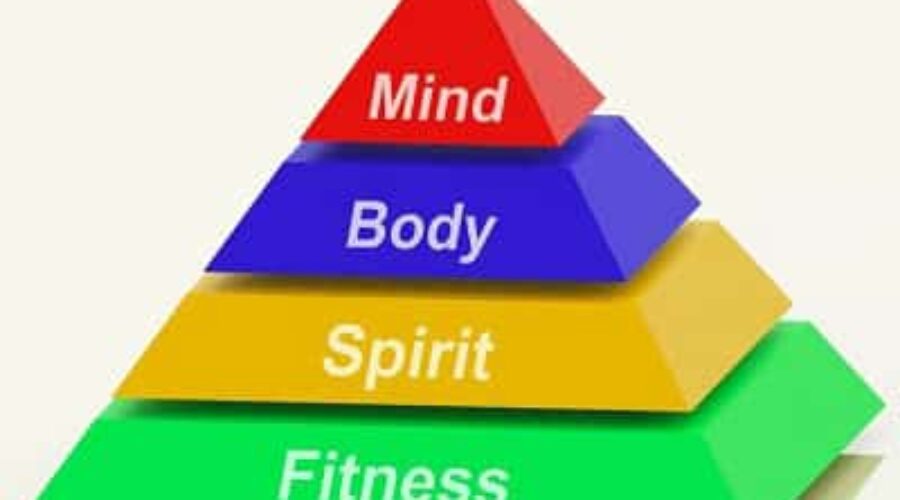
Holistic healing is really a lifestyle approach. The holistic approach goes far beyond the Mind-Body connection of finding and maintaining wellness. Overall wellness AND “wholeness” is highly valued. All parts of a person’s life are considered (Physical healing, mental health and wellness, emotional well-being, and spiritual beliefs and value). Taking a holistic approach involves seeking out the ideas, thoughts and tools that will help us attract our innermost desires and help us to find our personal power while addressing the core problems.
Holistic healing is taking a more natural approach when seeking treatment for imbalances within the body and mind and making a conscious decision to live a more balanced lifestyle. What primarily distinguishes holistic healing apart from alternative medicine, complementary medicine, and integrative medicine is that physical health is not necessarily the main focus even though it is often the experience of physical discomfort that will first prompt a person to see care from a holistic practitioner in the first place.
Our pains and other physical discomforts often demand our attention and it is difficult to ignore the obvious when we are physically hurting. Common sense tells us that we should seek help to alleviate our discomforts but sometimes we don’t know where that care should come from. We are not suggesting that Holistic healing is the alternative to conventional medical care; sometimes going to a licensed medical professional is the best solution to addressing a dis-ease. Each situation is different and requires careful consideration.
Physical illnesses are the symptoms of a greater imbalance that may or may not have a root cause in the physical form. Holistic or “wholistic” healing addresses all parts of the individual, not just the physical aspect of a person where those manifested illnesses are most apparent. Holistic healing is not intended to serve as a one time fix, it is an ongoing journey of discovery where the practitioner searches for more answers and ultimately solutions for living better, being healthier, and helping the patient strive for wholeness in the body.
Holistic healing goes beyond the Mind-Body connection. A person who embraces the desire to find wholeness within his own being soon learns the importance of tending to relationships, caring for the planet, caring for our environment, having compassion for humankind in general, and accepting and tolerating differences among a diverse population of people.
Role of the Holistic Healer:
The holistic healer recognizes that our discomforts or pains are merely symptoms of an imbalance which could be a physical issue, the result of abusing the physical body through an unhealthy diet, lack of exercise, or too little sleep. On the other hand, the imbalance may be the result of mental, emotional, or spiritual needs not being met. No aspect (mind, body, spirit, or emotions) of a person is overlooked when a holistic treatment is sought.
The holistic healer looks at the “whole person” in order to make his or her complete evaluation and uses all information gathered to come up with a plan of treatment for the client. Keep in mind, not all holistic healers are equal, each has his or her own specialty or expertise to offer. It will benefit you to shop around for a good fit. Choosing to go to a holistic healer is no different from choosing a licensed medical professional. You get to decide who to see and whether you resonate with the practitioner or not before making your decision to seek treatment from them.
Types of Holistic Healing Therapies and Treatments:
The types of holistic therapies available are extensive and diverse:
- Aromatherapy
- Ayurveda medicine
- Natural diet
- Exercise
- Spiritual counseling
- Vibrational medicine
- Homeopathy
- Acupuncture
- Naturopathic medicine
- Bodywork
- Energy based therapies
- Prayerful intention
- Chinese medicine
Definition of Alternative Medicine
Alternative Medicine is a term used when therapies are presented as an option to conventional or Western medical treatments.
Definition of Complementary Medicine
Complementary Medicine is a term used when therapies are being used in conjunction with conventional or Western medical treatments.
Definition of Integrative Medicine
Integrative Medicine was the new buzz word in the 1990’s when more medical professionals were opening their eyes to the whole Mind-Body connection. Alternative therapies weren’t judged so harshly as quackery or far from acceptable. At that time, some therapies were actually being integrated into the mainstream. Massage therapy, acupuncture, meditation and visualization, and chiropractic medicine were among the first therapies to be integrated into established medical care programs.

