
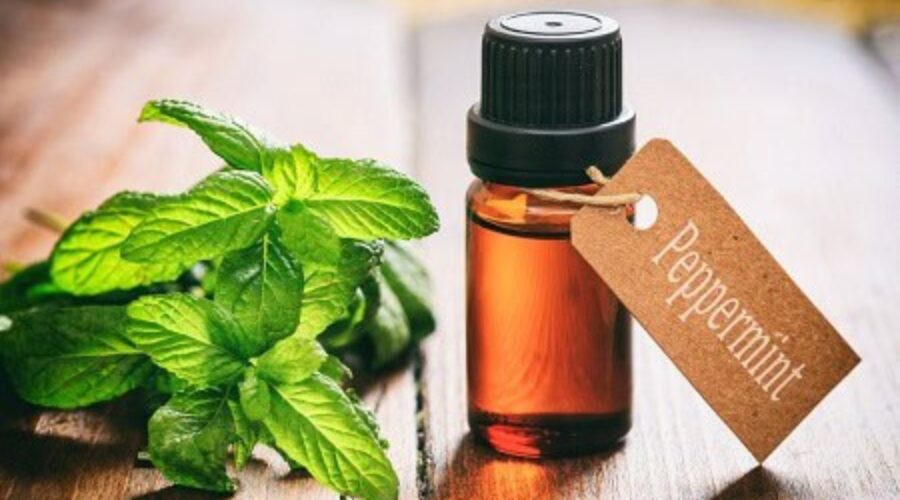
Benefits of Peppermint Oil
Peppermint oil has been used for thousands of years across ancient Greece, Egypt, and Rome for its medicinal properties. There has been a resurgence in its popularity in treating many issues that we experience every day. It is a very versatile oil that offers numerous benefits to the user. The main component menthol, has been found to help with some of the following issues:
- Digestion
- Bad Breath
- Congestion
- Headaches
- Bacterial infection
- Inflammation
- Fatigue
- Muscle soreness
- Allergies
There are many ways you can use peppermint oil, here are some suggestions you may not have thought of or known about:
- Soothes Joint or Muscle Pain
Menthol, one of the main compounds in peppermint, has significant anti-inflammatory, antispasmodic, and painkilling effects. Studies have shown it can help reduce muscle soreness and lower inflammation, while also raising your threshold for pain. The anti-inflammatory and painkilling effects of menthol in peppermint can also be used to relieve joint pain when applied topically. To use: Add 2 drops of peppermint oil to a small amount of olive or coconut oil, rub together in your hands, then rub on sore joints and muscles.
- Helps Get Rid of Dandruff
Peppermint oil possesses antifungal and antimicrobial properties that make it an excellent option for combating dandruff. To use: Add 2 drops to your regular shampoo and concentrate on massaging your scalp as you shower.
- Helps To Boost Energy
Instead of reaching for the typical energy drinks whenever you need an energy boost, why not give peppermint oil a try. Studies have shown that it begins working only five minutes after ingesting it and it helps to improve physical and mental energy levels. To use: Inhale the scent of peppermint directly for a boost of energy and clarity, or put a few drops in your favorite diffuser to inhale the vapors throughout your day. You can also take it internally by adding one drop to a large glass of water and drinking it.
- Relieves Headaches
Research also shows that peppermint oil has a significant relaxing and pain-reducing effect on headaches. In one study, peppermint oil helped to reduce the sensitivity associated with headaches. To use: Mix 2 drops of peppermint oil in a carrier oil and rub on your temples. If your headache feels more like a tension headache coming from your neck area, you can also massage the oil on your shoulders and neck.
- Curbs Cravings
Many people swear by peppermint oil as a natural way to ease their food cravings because it reduces the appetite and helps you feel fuller faster. To use: Place a few drops in a diffuser before mealtimes, or dilute a couple drops in a carrier oil like olive oil and rub it on your chest.
- Reduces Allergies
Peppermint oil is a great choice to help with allergy symptoms such as drainage and coughing. It assists in helping to expel the mucus and phlegm. To use: Diffuse the oil in a diffuser along with eucalyptus in your home to reduce allergy symptoms throughout the day and evening.
- Cools Rashes and Helps Itching
Studies have shown that peppermint oil’s cooling and anti-inflammatory properties can help soothe minor itches, from bug bites to poison ivy. To use: Dilute 2 drops of peppermint oil in olive oil and rub on the affected area.
- Repels Bugs
Essential oils have been used for thousands of years as natural insect repellents. Many of the volatile compounds in oils (such as peppermint) are overwhelming to insects like mosquitoes, making them the perfect natural option to help keep bugs away. To use: To repel pests from your body (like mosquitoes), dilute several drops in a carrier oil and rub all over exposed areas of your body. To repel bugs in your home, add peppermint oil to your floor cleaner or countertop cleaner.
- Calms Acne
Peppermint oil contains several antibacterial and antimicrobial properties, which help to reduce the amount of bacteria on your skin. In addition, the cooling menthol also helps to reduce inflammation from painful cystic acne. To use: Mix a drop of peppermint oil with jojoba oil and dab on the affected area twice a day.
- Promotes Hair Growth
Studies show that massaging peppermint oil into your scalp can help to promote hair growth and it also encourages hair to become thicker without the need to change your diet. To use: Add a few drops of peppermint oil to your favorite shampoo and massage deeply into your scalp.
- Relieves IBS, Gas and Bloating
Peppermint oil is one of the best natural treatments when it comes to helping to treat irritable bowel syndrome (IBS). Many believe its ability to cool the inflammation while relaxing the gastrointestinal wall helps to play a direct role in its effectiveness. Studies also show peppermint oil has a significant effect on abdominal pain, stomach distension and gas. To use: You can either take peppermint oil in capsule form (follow the dosage instructions on the bottle) or rub a few drops mixed in a carrier oil, like coconut oil or jojoba oil, on your abdomen.
- Helps To Reduce Nausea
Peppermint oil may also be able to help with nausea and vomiting. Studies on postoperative nausea show participants who were given peppermint oil experienced significantly lower levels of nausea. To use: Take one or two capsules at the onset of symptoms.
- Kills Toenail Fungus
Peppermint oil’s antimicrobial properties make it an excellent option for helping to combat toenail fungus. To use: Apply 4-5 drops directly on discolored nails daily.
- Combats Bacterial Infections
Studies have shown peppermint oil to be effective against up to 22 strains of bacteria and fungi, making it an excellent choice to help fight infections. To use: Follow the dosage recommendations on your peppermint oil in capsule form.
- Helps To Fight Cancer
It turns out that the compound menthol present in peppermint oil can also inhibit cancer growth. Studies have shown it causes cancer cell death while also helping protect against radiation damage from chemotherapy.
- Relieves Stress
Peppermint oil is popular in aromatherapy for its relaxing and refreshing effects. Studies show that it can be an effective treatment against nerve disorders and mental fatigue, making it an excellent option to help relieve excess stress in the body. To use: Inhale the scent of peppermint for a boost of energy and clarity, or put a few drops in your favorite diffuser to inhale the vapors throughout the day.
- Boosts Exercise Performance
Researchers have found that athletes that supplement with peppermint oil were able to significantly increase exercise performance. Peppermint helps to improve breathing capacity and increases oxygen levels. To use: Add 1-2 drops of peppermint oil to a large glass of water daily.
- . Soothes a Sore Throat
Menthol’s cooling properties can help soothe a painful and inflamed sore throat, while also combating any infection that may have caused it. To use: Either gargle a mix of 2 drops of peppermint oil in water, or add a few drops to a pot with water and deeply inhale the steam.
- Clears a Stuffy Nose
Peppermint oil can help treat many cold symptoms such as congestion due to excess mucus. It’s antibacterial and anti-inflammatory properties are extremely helpful. To use: Diffuse peppermint oil throughout your home when you have a cold to reduce bacteria in the air and help with a stuffy nose and congestion.
- Sharpens Memory
Studies show that peppermint can help to improve concentration and focus while also improving memory. This makes it a great option to help with the symptoms of ADHD. To use: Dilute 2 drops in a carrier oil and rub on your chest before you start your day. You can also just carry the oil with you and inhale it directly from the bottle when you need to focus.
As you can see, there are many uses for peppermint oil and with such a broad base of benefits, this is one oil that you should always plan to have on hand.