
Dealing With Difficult People
We all have people in our lives that we find are difficult to deal with. It can be extremely challenging at times to remain objective when put in those difficult situations. It’s always best to assume that there is a good reason for someone’s difficult behavior and that perhaps you just don’t know exactly what it is yet. Be determined to examine the circumstances before passing judgment on the other person.
Learning to understand people’s behavior patterns will enable you to establish good working relationships with even the most frustrating individuals. Think of all the people that you deal with on a daily basis and then separate out the ones that are extremely difficult to deal with and think of the reasons that cause you to feel that way. Think about what it is these individuals do, how they act, how they communicate and exactly what it is they do to earn the label of “difficult”.
Then, determine what it is that you would like these people to do, how you would prefer them to act or how you would like them to treat you; this will give you a goal to work towards. Are they hostile and aggressive? Perhaps they are constant complainers, extremely negative people, extremely positive people? Are they in the class of “know it all’s” or perhaps they fall into the finger pointer category?
Whatever type you classify them as, you need to know that everyone including you, does things that irk and annoy other people. Some people will actually change their behaviors when confronted with their challenges, while others just pour it on more and continue to aggravate the situation because they thrive on drama.
Whatever your circumstance at work, in public settings with friends or family members, there are ways to deal with these difficult situations. Every day, each of us do things that others find difficult, but that doesn’t make us all difficult people; we are all just different.
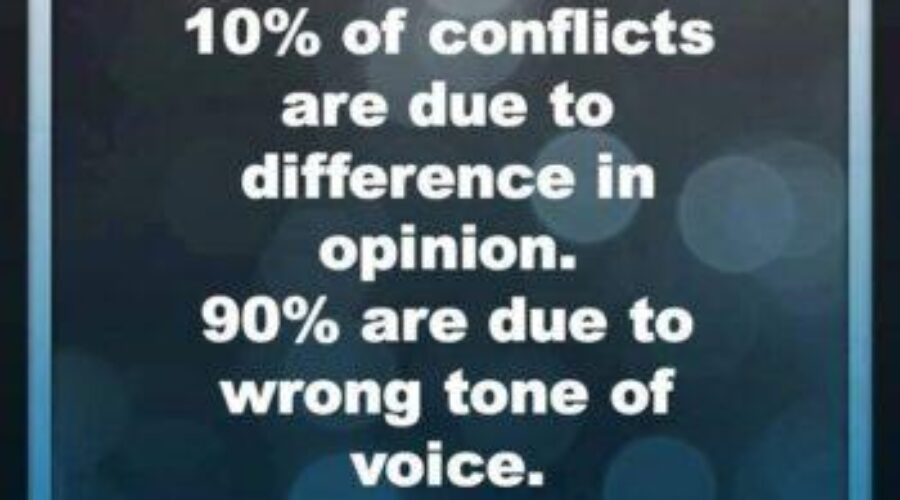
Changing people’s difficult behavior doesn’t have to be impossible but it involves some analytical interpretations of what it is that makes them difficult to deal with. We all have different perspectives on situations; one person may think one way while another is off on an entirely different thought process. Neither one is incorrect, just different. If we all thought and behaved the same way, the world would be a pretty dull place. On the flipside, difficulties arise among people who view the world differently and who believe that problems should be handled in a specific way.
-
Sale!

Yoga Meditation Floor Cushion with Velvet Cover, Buckwheat Filling, Large Ergonomic Yoga Pillow for Adults
Original price was: $41.99.$35.99Current price is: $35.99. -
Sale!

Massage Handheld Massage Gun with Heat, Deep Tissue Muscle Percussion Massager for Back, Neck & Pain Relief
Original price was: $39.99.$32.99Current price is: $32.99. -
Sale!

Massage Back Stretcher Board for Pain Relief with Dual-Sided Adjustable Lumbar Support & Spinal Decompression
Original price was: $21.99.$19.99Current price is: $19.99. -
Sale!

Massage Back Stretcher Device with Adjustable Lumbar Support, 10 Magnets & 90 Massage Points for Spine Decompression
Original price was: $25.99.$22.99Current price is: $22.99. -

Acupuncture Acupressure Mat Set with Pillow for Back, Neck, Sciatic Pain Relief and Muscle Relaxation
$28.49 -

Chakra Healing Crystals Healing Crystal Set 26 Pcs for Meditation, Reiki, and Chakra Balancing with Wooden Box
$25.99 -

Chakra Healing Crystals Chakra Crystal Tree 7 Stones for Healing, Feng Shui, Meditation, and Home Decor
$18.95 -
Sale!

Yoga High-Density Yoga Mat 10mm Thick Cushioned Mat for Pilates, Fitness, and Floor Workouts with Carry Strap
Original price was: $23.00.$19.00Current price is: $19.00.
There are usually at least two sides to every story and sometimes even more than two depending upon the situation. There are many ways to view each situation so it’s best not to judge others on what our own perceptions are because undoubtedly, they have their own view of their own reality. A good relationship with a difficult person requires patience and a reasonable approach. Can you do something to balance emotional and rational reactions? Count to ten, consult a third party, take a break from the situation or apologize if an argument erupts. There are often many solutions to difficult situations that can extinguish the short fuses among parties.
Generally, there are many ways to “skin” the proverbial cat. That is the beauty of being a diverse society. Differing perspectives offer fresh ideas and creativity to the situation; if you can embrace and entertain this concept, you are off to a good start in resolving some issues surrounding difficult people.
Some people choose to deal with difficult people by giving back what they receive; sort of a tit for tat scenario. The problem with this method is that there is generally a victim and a perpetrator which constitutes a very traditional approach to finding justice. This kind of approach typically sets off a very negative spiral and often gets out of control quickly and generally only continues to perpetuate this negative situation. Nothing gets resolved and it is truly a mutually destructive cycle.
Remaining in charge of your own thoughts and behavior is essential when dealing with difficult people. Choose to be unconditionally “constructive” in resolving the issues at hand rather than falling prey to the destructive cycle. Sometimes, the secret of communication is to simply “listen”.
Sometimes it’s really tempting to reject and dismiss people who don’t fulfill our expectations, but it is a fact that people respond better to praise than they do to criticism. We become critical, judgmental and disappointed so we overlook problem solving techniques and basic communication as tools for resolving the situation at hand. Treating people with respect and acceptance is the first step in providing the groundwork for any kind of improvement. Of course, the parties involved need to be willing to change or be open to constructive criticism.
We all communicate differently with each of the people in our lives. Our boss elicits one response, our mate another. Our children, our neighbors, our friends all elicit different responses; the only common denominator is YOU. What is the variable in each situation? The way the other person is treating you. The moral of that story is that if you treat difficult people differently, they will respond differently. You probably know many people who act and think very differently than you do, but you still like and respect them anyway. This is the beauty of diversity; we are all different and it isn’t a bad thing.
In summation, flexibility in your communication mode, maintaining a good working relationship and making an effort to change the behavior of difficult people can often produce desirable results. In addition, you must be willing to examine your own contributions to the difficult behavior patterns in others. Even the most troublesome individuals can become manageable when you can explore and understand what causes undesirable behavior.