Are you getting enough Potassium?
Are you getting enough Potassium?
Do you suffer from fatigue or leg cramps but don’t necessarily want to rely on supplements? Did you know that potassium is one of the six essential macro-minerals and that it is a vital mineral for keeping your body healthy? This means your body needs it in large amounts to stay healthy. It plays an indispensable role in helping your muscles and nerves function properly, as well as helping to keep your heart beating regularly. It also works together with sodium, calcium, and magnesium to maintain fluid and electrolyte balance in your cells. Potassium helps counteract the effects of sodium by reducing the amount of fluid around cells, which helps your cardiovascular system work better.
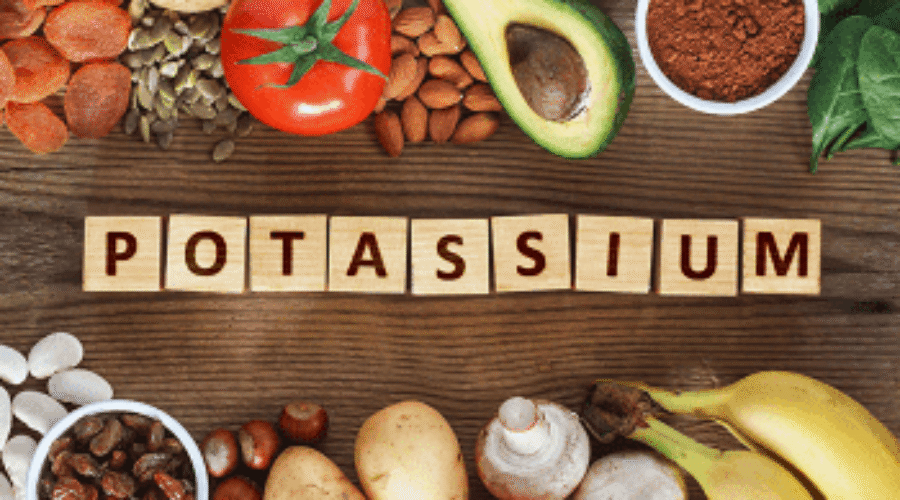
In addition, potassium is crucial for proper heart, muscle, and digestive functioning. This mineral takes part in the fluid balance of your body and the electrical conduction from your heart to your brain. Low potassium levels in the body can lead to fatigue, weakness, cramping in the legs, and even paralysis. Here are some foods that might surprise you as they all contain potassium in abundance:
Banana – Bananas are one of the most obvious and well known sources of potassium. Each medium-sized fruit contains about 10% of your recommended daily intake. They’re also low in sodium and fat and high in fiber like magnesium, which helps to lower blood pressure. Bananas are rich in vitamins and protein as well as a good source of antioxidants.
Strawberries – Strawberries are not only delicious, but they are packed with potassium. One cup of strawberries provides 240 mg of potassium. This is an essential addition to your diet because potassium is an electrolyte and is crucial for proper heart function. Electrolytes are minerals that help the body’s cells, tissues, and organs generally function. Potassium keeps your heart regularly beating, your muscles working correctly, and your blood pressure in a healthy range.
Sweet Potatoes – A medium sweet potato can provide roughly 14% of the recommended daily amount of potassium. Sweet potato is a root vegetable that is high in fiber, rich in beta-carotene, which your body can convert into vitamin A and also contains various vitamins and minerals. Research suggests that diets high in potassium may reduce blood pressure and water retention which may help to lower the risk of stroke, osteoporosis, kidney stones, and heart disease. Sweet potatoes are an excellent source of vitamin A, a nutrient that acts as an antioxidant to protect cells against free-radical damage. They also offer a good amount of vitamin C, manganese, copper, pantothenic acid, and vitamin B6. These potatoes are a good source of dietary fiber, niacin, vitamin B1, vitamin B2, and phosphorus.
Avocado – Avocado is a well-known source of potassium. In addition to being a delicious fruit, avocados contain lots of potassium and very little sodium, making them an excellent choice for people who are on a low-sodium diet or who are trying to lower their blood pressure. In addition to their high potassium content, avocados contain more soluble fiber than most other foods. Fiber helps to lower blood pressure in those with hypertension and may lower cholesterol levels as well. It can also aid digestion by promoting regular bowel movements and easing constipation.
White beans – An excellent potassium source, white beans are rich in potassium which is needed for a healthy nervous system. The potassium also helps lower blood pressure and reduce the risk of stroke and heart attack. They’re also good sources of iron, magnesium, and fiber and are low in fat. The high amount of potassium in the beans can help regulate muscle contractions and fluid balance and reduce bloating.
Tomatoes – Tomatoes also have high water content, which can help you stay hydrated and keep you feeling full for longer. They are also rich in the antioxidant “lycopene”, a phytochemical that gives tomatoes their red color, which is thought to help reduce the risk of heart disease and cancer. Tomatoes also contain vitamins C and A, both of which are important antioxidants.
Raisins – Raisins are also a great source of potassium. They are rich in fiber, iron, and some B vitamins. A study published in the journal Molecular Nutrition & Food Research found that eating raisins three times a day can lower blood pressure in people with prehypertension and hypertension. The research also showed that consuming raisins reduces cholesterol levels in healthy people and those with high cholesterol. Raisins are a natural sweetener that can be used in recipes instead of sugar. They are a delicious topping for oatmeal, cereal, salads, and other foods.
Coconut – Coconut water is a particularly hydrating drink. It’s an excellent natural alternative to sports drinks, as it contains key electrolytes that help draw water into your cells. Its natural sugars also provide energy during exercise and help replenish lost glycogen stores afterward. Coconut, be it raw or grated, is a rich source of potassium. Coconut water is also a good source of this mineral. Coconut has several health benefits, as it helps prevent heart stroke, reduces high blood pressure, and helps prevent cancer. It also has antimicrobial properties and helps fight infections in the body.
Apricots – Apricots are a great source of potassium, rich in antioxidants and phytonutrients. They also contain other nutrients like vitamins A and C, iron, calcium and magnesium, alpha-carotene, beta-carotene, lutein, and lycopene, antioxidants that help prevent cancer. The robust flavor of apricots hints at the nutritional benefits of eating this fruit. A single apricot contains around 2% of your daily potassium intake. This can be increased further by eating dried apricots.
Spinach – Spinach is a rich source of potassium. This leafy green vegetable contains potassium in abundance, making it one of the best sources for your daily intake of this vital mineral. A cup of cooked spinach can provide up to 840 mg of potassium. The high amount of this nutrient in spinach helps regulate heart function and blood pressure while improving bone health. Eating spinach regularly may help prevent osteoporosis, asthma, and rheumatoid arthritis. It is also a great source of vitamins A, C, K, and folic acid and also an excellent choice because it’s low in calories, has no fat or cholesterol, and is high in fiber.
Oranges – Oranges are one of the best sources of potassium. They also provide a good source of vitamin C, and folate which helps combat free radicals that can damage cells and cause disease. Research has found that drinking orange juice may reduce blood pressure and improve blood flow to the brain.
Grapefruit – Grapefruit is a cross between a sweet orange and pomelo. It is a citrus fruit that is rich in potassium and is an excellent source of vitamin C, which helps boost your immune system and helps your body absorb other nutrients such as iron, and may relieve lower blood pressure.
Watermelon – Watermelon is a delicious and refreshing fruit, but it also has some nutritional benefits. Watermelon contains potassium which helps in regulating blood pressure, which can help prevent strokes and heart attacks. It can also help prevent damage to kidneys and other organs caused by diabetes.
Yam – Yams contain a large amount of potassium which helps with the proper functioning of muscles, including the heart. A medium-sized yam contains about 926 milligrams of potassium. Potassium also helps to regulate salt and water balance in the body, as well as blood pressure levels. Yams are also rich in vitamin C, manganese, and fiber.
Cantaloupe – Cantaloupe is a fruit that provides potassium, which your body needs to function correctly. Potassium is an electrolyte that aids in nerve conduction and muscle contraction and also helps regulate fluid balance and blood pressure. Cantaloupe also contains a significant amount of vitamin C, which strengthens the immune system and protects against infections, and vitamin A in the form of beta-carotene, which helps to improve eyesight and prevent age-related macular degeneration. Moreover, it is deficient in calories and does not contain any fat which makes it ideal for people on a weight loss diet. It also contains soluble fibers that help lower LDL cholesterol levels in the body.
In summation, if you aren’t particularly fond of taking supplements in pill or powder form, you might want to simply supplement your diet with some of the foods listed above to get your daily recommended dose of potassium.