
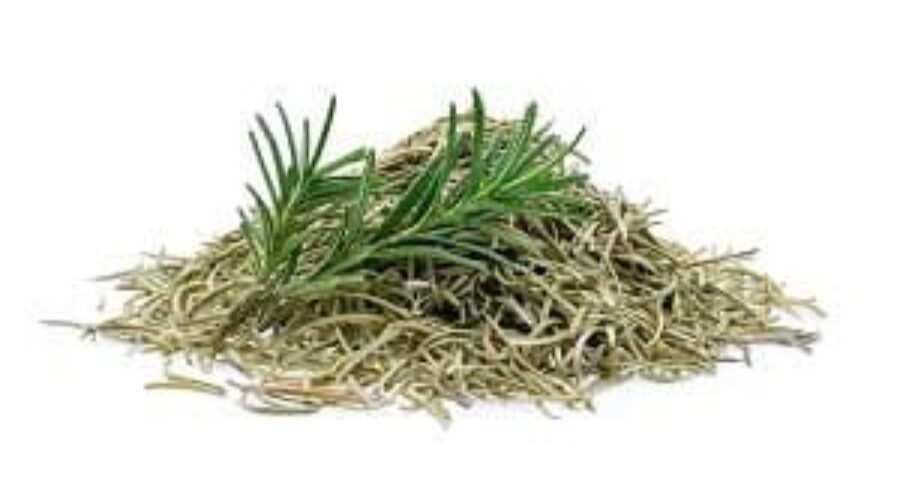
Rosemary And It’s Many Uses
Are you one of the people who enjoy the rich savory smell of rosemary? It should actually make you think of a powerful natural anti-aging therapy and it could be one of the key foods to slow down and even reverse many aspects of aging. Not only does this herb taste great in cooking, it is also a great source of iron, calcium, vitamin B6, and some powerful anti-aging phytochemicals as well.
In case you didn’t know, rosemary is part of the same family as mint, oregano, thyme, basil and lavender and has been used for years as a medicinal solution to many health issues, especially those that deal with aging. This superherb contains compounds that increase blood flow, stimulate brain function, help digestion, improve mood and memory and charge up the immune system. Its powerful anti-inflammatory compounds can help relieve pain, detox the body, and make your skin look younger. Rosemary’s delightful, soothing aroma has also been linked to stress and anxiety relief. In addition, rosemary is also notable for its ability to improve memory and focus, especially in the elderly. Rosemary’s rich source of antioxidants and anti-inflammatory compounds are thought to be the key to its antiaging ability, including rosmarinic acid, caffeic acid, betulic acid, and carnosol.
A research group from Burnham institute for Medical Research reported a key ingredient in rosemary that specifically targets free radical damage in the brain. The substance known as carnosic acid or CA can actually protect the brain from strokes and other neuro-degenerative diseases, including Alzheimer’s and normal brain aging, and according to a study published in Cell Journal. Carnosic acid is especially useful in protecting against beta amyloid-induced neurodegeneration in the hippocampus, one of the key factors in the development of Alzheimer’s disease.
One of rosemary’s most important functions is as an anti-inflammatory agent. Carnosol and carnosic are two powerful antioxidant and anti-inflammatory compounds that reduce inflammation, helping everything from gout, arthritis, and sore muscles to sports injuries. The anti-inflammatory compounds also help to reduce inflammation in the blood vessels, helping to prevent heart disease and strokes. Rosemary is an effective pain reliever that can relieve headaches, especially migraines along with joint pain, surgical pain, and spasms.
Age-related macular degeneration, one of the most common age-related eye diseases in the U.S., can be curtailed with the carnosic acid in rosemary. In a study published in the journal, Investigative Ophthalmology & Visual Science, Stuart A. Lipton, M.D., Ph.D. and colleagues at Sanford-Burnham Medical Research Institute report that carnosic acid promotes eye health, especially age-related eye disorders.
Rosemary is also an antibacterial, specifically against stomach infections including h.pylori, which causes ulcers, and staph infections. Rosemary has been used by many cultures as a natural remedy for upset stomach, nausea, constipation, diarrhea, and indigestion. Rosemary also has a diuretic effect on the body, meaning that it can help the kidneys to flush out toxins, salts, and even excess harmful fats, while it helps support and detox the liver. While it is safe in smaller doses, do be aware that very large doses of rosemary can trigger vomiting, spasms, and miscarriage, therefore, if you are pregnant, avoid large doses of rosemary, unless you are just using it as an herb to season your food. Rosemary is powerful enough to actually interfere with certain medications, so check with your doctor if you are taking any anticoagulant drugs, ACE inhibitors (blood pressure), diuretics, or lithium.
How to get more rosemary in your diet?
Fresh or dried rosemary is great in marinades, rubs, dressings and sauces, so you can use it an ingredient in your meals, as often as possible. It is great on everything from fish and chicken to meat, sauces, dressings, vegetables, or salads. You might also want to try this rosemary tea: Add a teaspoon or so to boiling water, steep for 15 minutes, and add a squeeze of lemon, and a touch of honey. Be sure to strain off the pieces of rosemary before drinking.

